Fire Ratings and the Insurance Benefits of Pre-Engineered Metal Buildings
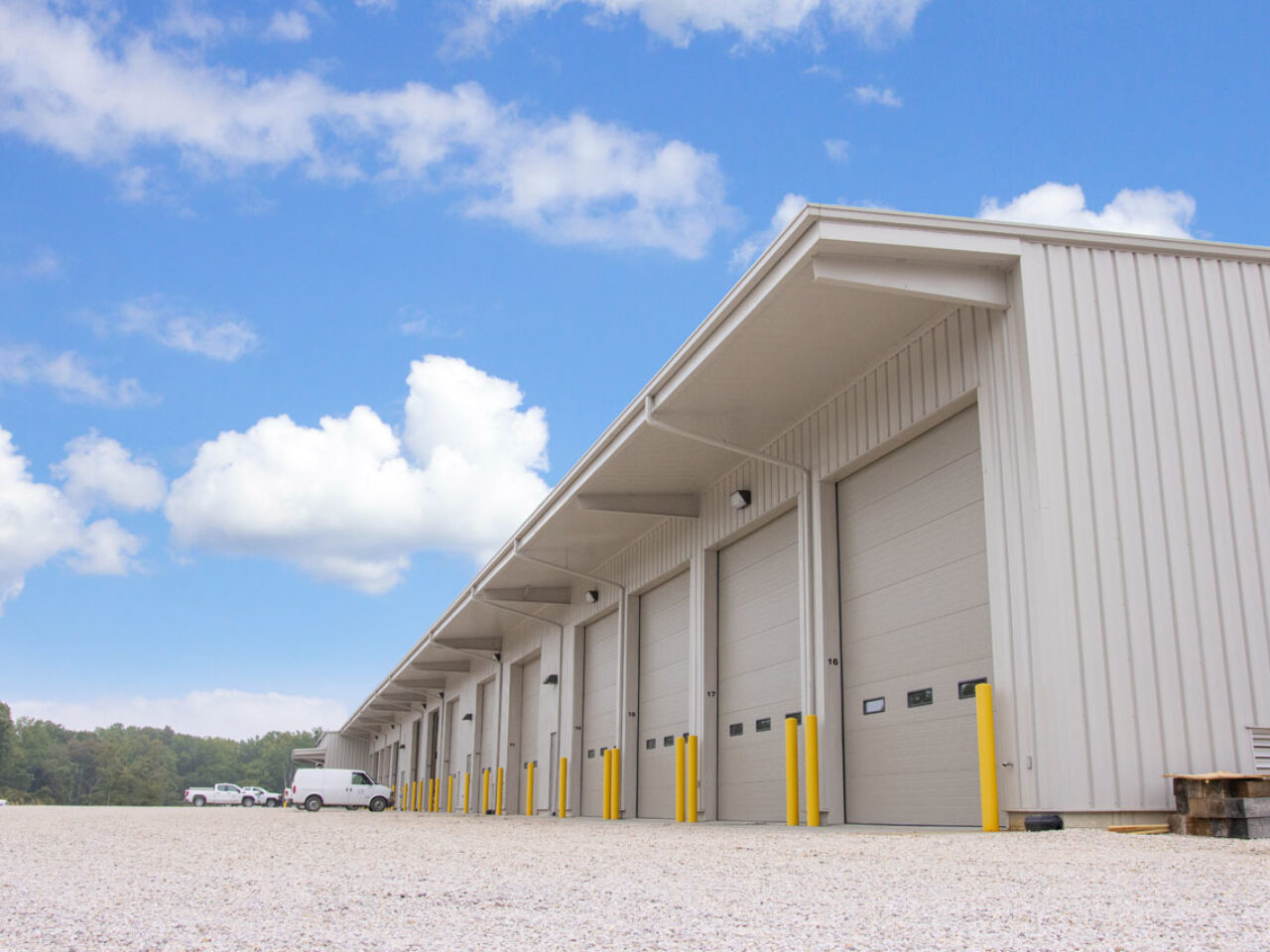
Fire safety and insurance are two things most building owners don’t think about until they have to. But when you’re building a new commercial building, the choices you make during design have a direct impact on how your structure performs in a fire and how much you’ll pay to insure it each year.
Pre-engineered metal buildings stand out because they use noncombustible materials, strong roof systems, and well-tested wall assemblies. Manufacturers like Butler have spent decades developing systems that perform reliably under heat and severe weather, which helps owners limit risk and support better long-term insurance outcomes.
Below is a simple, clear breakdown of how fire ratings work, how metal buildings compare, and why many owners see better insurance outcomes with this type of construction.
Why Fire Ratings Matter for Commercial Buildings
Every commercial building must meet fire code requirements that protect people and slow the spread of flames. A fire rating measures how long a building element can resist heat before it fails. For example, a one hour rated wall must hold up against fire for at least one hour during a lab test.
Insurers pay close attention to these ratings for a simple reason. The slower a fire spreads, the lower the chance of a major loss. A building with noncombustible materials and good fire separation gives firefighters more time to respond and makes a total loss less likely.
This is where metal buildings have a natural advantage. Steel framing does not ignite or add fuel to a fire. Even though heat can weaken steel if temperatures get high enough, it will not burn. That difference alone places a metal building in a much better risk category than a typical wood framed structure.
How Insurance Companies Classify Building Fire Risk
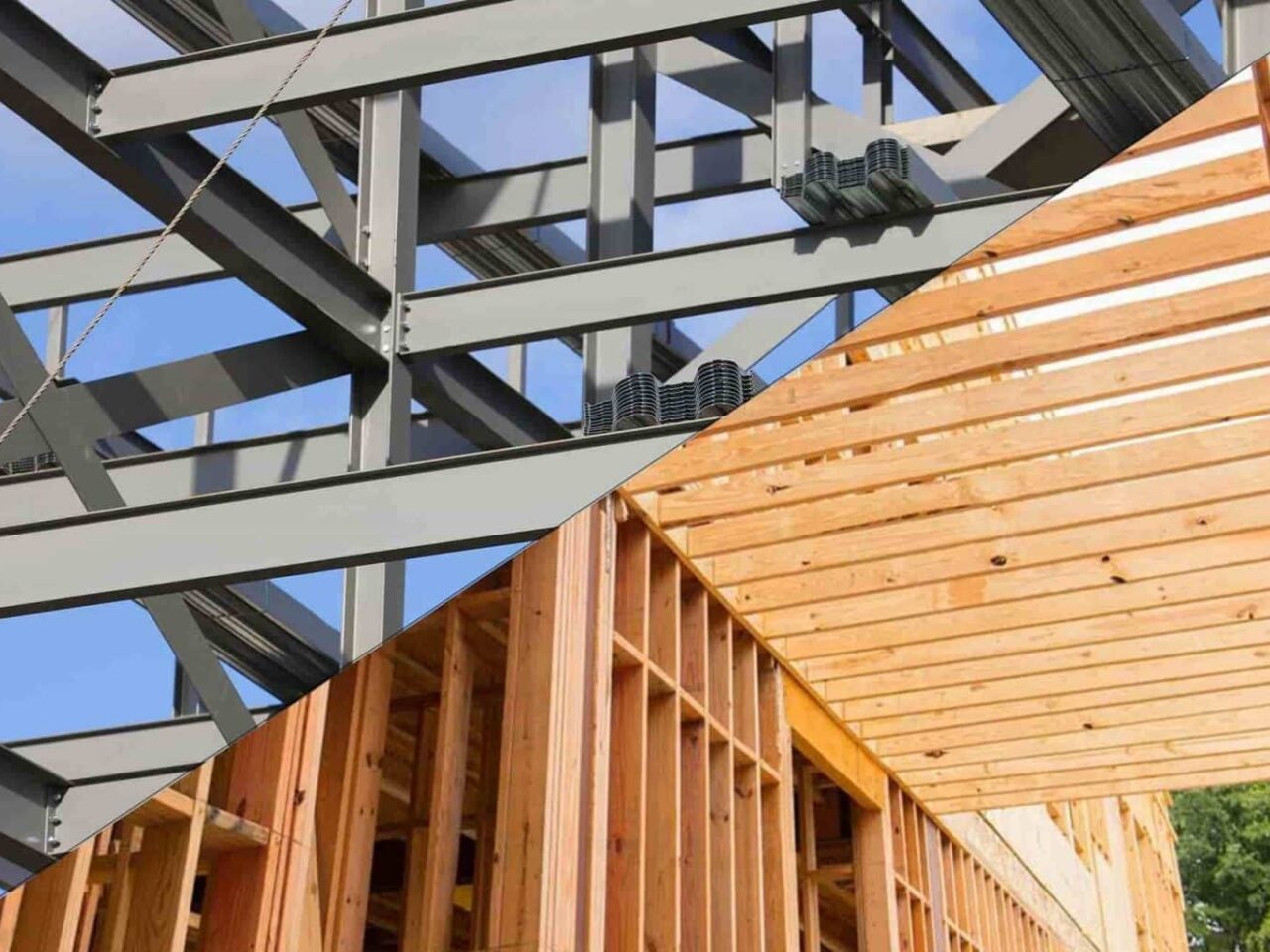
Most insurance carriers rely on a national system called ISO Construction Classes. These classes describe how a building reacts in a fire. The higher the fire risk, the higher the premium. Here is the simplified version.
Class 1: Wood frame: Highly combustible, spreads fire quickly
Class 2: Joisted masonry: Masonry walls, but wood floors and roof
Class 3: Noncombustible: Steel framing and metal roof systems with limited combustibility
Class 4: Masonry noncombustible: Heavier walls plus noncombustible framing
Class 5 and 6: Fire resistive: Concrete or protected steel with long-duration fire ratings
Most pre-engineered metal buildings fall into Class 3 or better. This means the building’s structure does not ignite and has limited ability to spread flames. For insurers, that usually translates to lower expected losses and more favorable premiums. Owners comparing construction types often see a meaningful difference between a wood framed structure and a noncombustible steel system.
What Fire Ratings Look Like in a Pre-Engineered Metal Building
Steel Framing
The steel frame is the backbone of the building. Because steel is noncombustible, it does not add fuel to a fire or allow flames to travel the way wood studs do. This gives metal buildings a safety advantage right from the start.
Roof Systems
Many commercial metal roofs carry Class A fire ratings. This is the highest rating for roof coverings and means the roof can withstand exposure to flames and burning embers for a tested period of time. A Class A roof helps protect the interior and keeps fire from spreading across the roof surface.
Wall Panels and Insulation
Fire performance in a wall comes from the combination of metal panels, insulation, and any interior finishes. When designed correctly, metal wall systems can achieve one hour or even two hour rated assemblies. These assemblies are often required in corridors, around stairwells, or between certain occupancies.
Having the flexibility to reach these ratings with tested metal building assemblies gives owners a straightforward path to meet code without switching construction types.
Are Pre-Engineered Metal Buildings Cheaper to Insure?
Often, yes. While every project and carrier is different, noncombustible construction tends to be viewed as lower risk. Compared to wood framing, many owners see lower annual premiums because insurers expect fewer and less severe fire losses.
Other factors also play a role. A metal building’s roof is less likely to ignite from embers. Steel framing slows fire spread. Wall assemblies are easier to upgrade to meet fire code requirements. All of these elements reduce the chance of a total loss and support better insurance outcomes.
Some industry comparisons show metal buildings performing significantly better than combustible structures when it comes to long term insurance costs. These numbers vary by region and insurer, but the general trend holds. Noncombustible buildings are typically less expensive to insure than similar wood structures with the same occupancy.
The Midwest Factor: Fire Isn’t the Only Risk
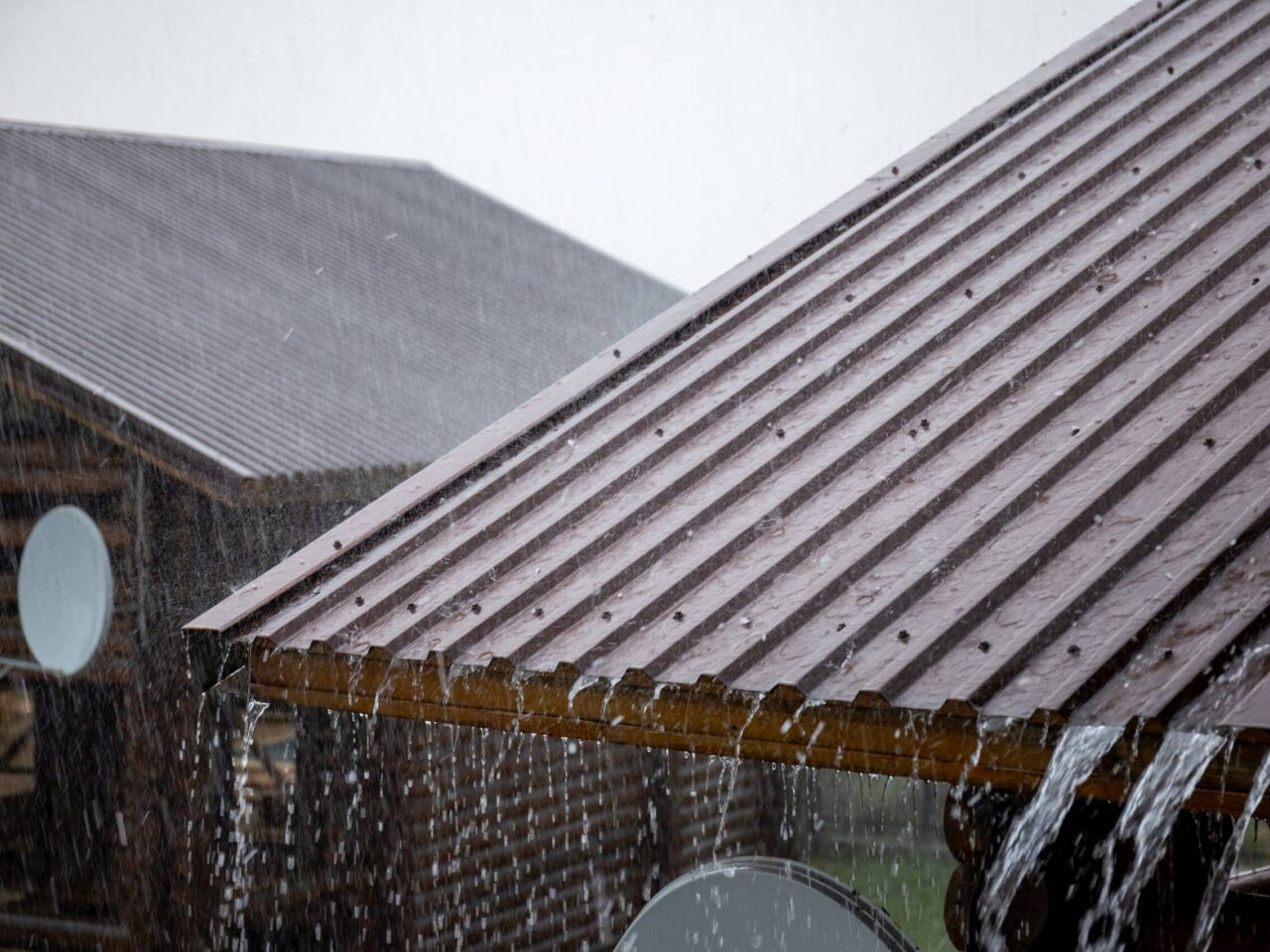
In Southern Indiana and the surrounding Midwest, fire is only one part of the risk picture. Owners also face wind, hail, and tornado exposure throughout the year.
Modern metal roof systems are tested for uplift resistance, impact performance, and weather durability. In a region where storms can develop quickly and cause significant damage, having a stronger roof and a noncombustible structure can help limit insurance claims over the life of the building.
Insurers look at the full picture when setting premiums. Stronger materials that resist fire, wind, and hail often lead to more stable premiums over time.
How Building Design Choices Influence Insurance Costs
Your building’s design can strengthen its fire performance and help keep insurance costs in check. Here are a few areas that make a noticeable difference.
Rated walls: Adding one hour or two hour wall assemblies where needed improves safety and satisfies code.
Class A roofing: Roof coverings with higher fire ratings reduce risk from embers and roof surface ignition.
Sprinkler systems: Sprinklers are one of the most effective ways to limit fire damage and can lead to premium reductions depending on the insurer.
Electrical and mechanical design: Proper spacing, ventilation, and protected wiring lower the chance of ignition.
Occupancy type: How the building is used also affects rates. Storage, manufacturing, and assembly spaces all have different risk profiles. Designers can sometimes adjust layouts or separations to improve the insurance classification.
Metal buildings give owners flexibility to make these decisions without complicating the overall structure. The steel frame stays the same. The fire rated assemblies and safety features simply layer on top.
A Simple Checklist for Owners Before Finalizing Your Design
If you want to get ahead of insurance costs, bring your insurer into the conversation early. Here are a few questions worth asking.
Which ISO construction class will my building fall into?
Will a Class A roof change my premium?
Do sprinklers offer meaningful savings for my building type and size?
What are the wind and hail deductibles for my area?
Are there rated wall assemblies that could improve my insurance classification?
How does my occupancy type affect the cost?
These questions give your design team clear targets and help you avoid surprises after construction.
Final Thoughts
Fire ratings and insurance may not be the most exciting part of planning a commercial building, but they have a major impact on cost, safety, and long term performance. Pre-engineered metal buildings offer strong fire resistance, proven roof and wall systems, and flexible design options that make it easier to meet code and manage insurance costs.
If you're planning a commercial building in Southern Indiana, our team can help you design a structure that meets code, performs well in our climate, and supports long term insurance efficiency. Contact Seufert Construction to start your project.