Why Metal Buildings Are the Smartest Choice for Self-Storage Facilities
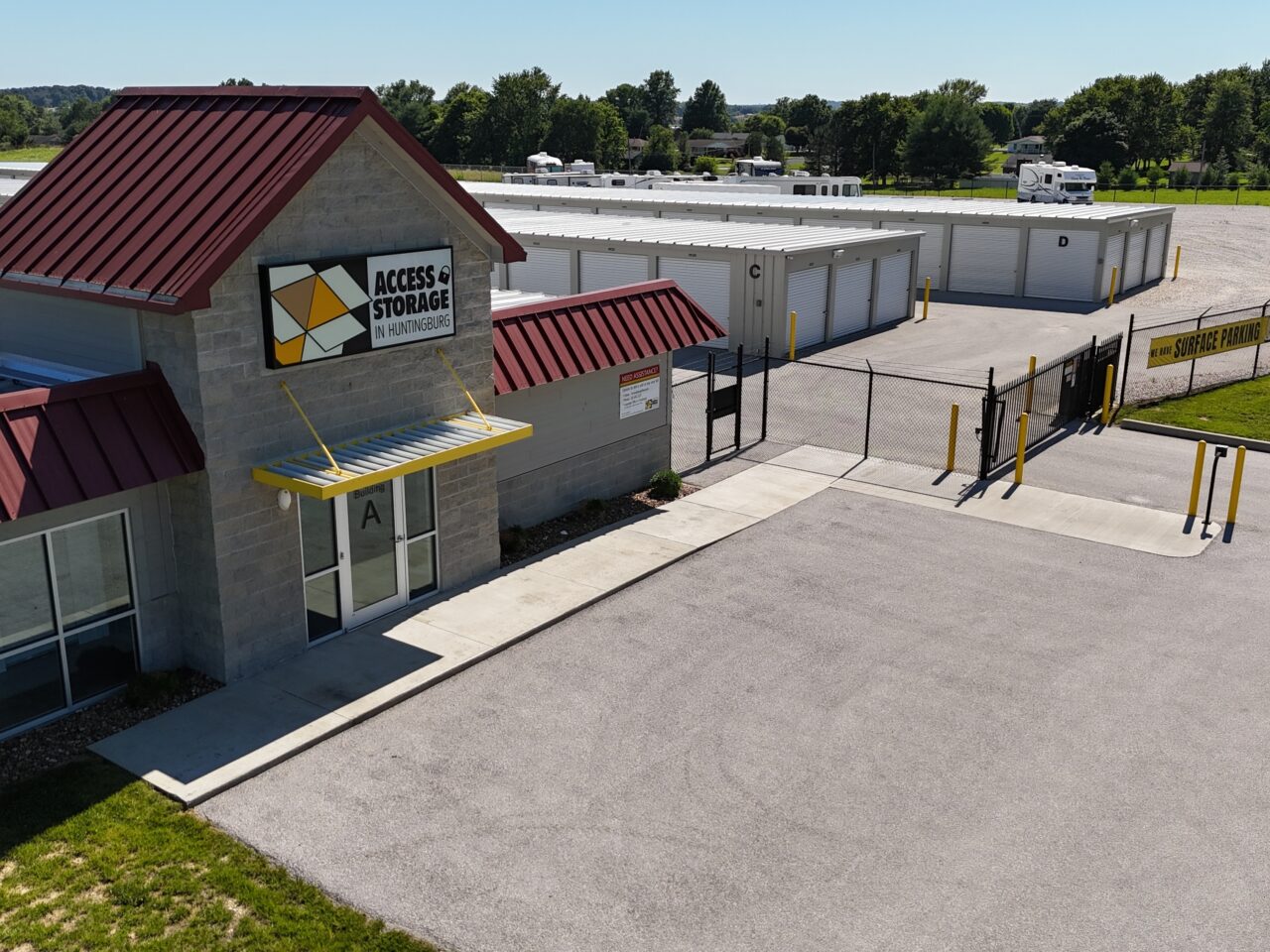
If you’re planning a self-storage project, the building is not just “the shell.” It’s the thing that decides how fast you can open, how much you’ll spend on upkeep, and how easy it is to expand later.
That’s why so many developers lean toward metal buildings (often called PEMBs, or pre-engineered metal buildings) for self-storage. They’re efficient, durable, and predictable to build, which is exactly what you want when your goal is to get units up, leased, and performing.
Why Self-Storage Buildings Are Different From Other Commercial Projects
Most commercial buildings are built for people to work, shop, or gather inside. Self-storage is different. Your building is designed for:
Repeatable, high-count units (often hundreds of doors)
Simple layouts that are easy to navigate
Durable exteriors that take hits from weather, carts, and vehicles
Security and controlled access
Low operational headaches after the site opens
Self-storage also gets built in phases all the time. Phase 1 might be drive-up units, then Phase 2 adds more buildings, then Phase 3 becomes climate-controlled. The best building choice supports that growth without forcing a redesign every time. That’s the lens to look through: self-storage is a performance asset, not a “nice building.”
Metal Buildings vs Other Building Types for Self-Storage
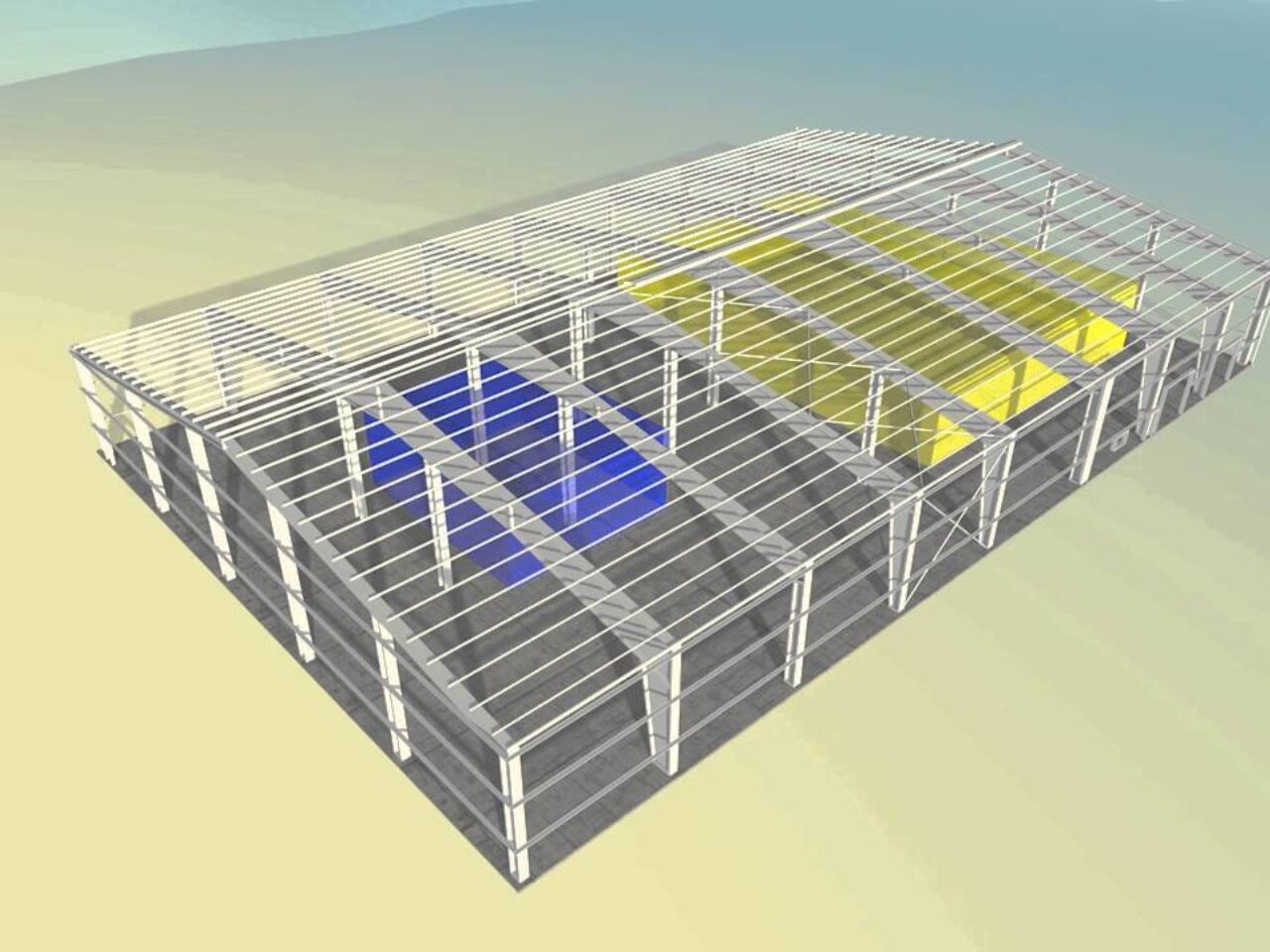
There are plenty of ways to build a self-storage facility. You’ll see wood framing, masonry, tilt-up concrete, and metal buildings. Each has its place, but metal buildings tend to line up best with what self-storage needs.
Here’s the simple version of why:
Metal Buildings Are Built for Repeatability
Self-storage is a repeatable product. Metal building systems are designed around repeatable framing bays, long runs, and consistent assembly. That makes them a strong match for drive-up buildings and for large climate-controlled footprints.
Steel Doesn’t Rot, Warp, or Attract Pests
Wood can be a fight long-term in certain conditions, especially where moisture, humidity swings, or pests are a concern. Steel doesn’t solve every problem, but it removes a few common ones from the start.
Predictability Matters When You’re Building for ROI
For a lot of developers, the biggest win is predictability:
predictable timelines
predictable material performance
predictable maintenance expectations
That doesn’t mean every metal building is “easy.” It means you’re less likely to get surprised by the core structure when the project is managed well.
The Biggest Advantage: Speed to Market
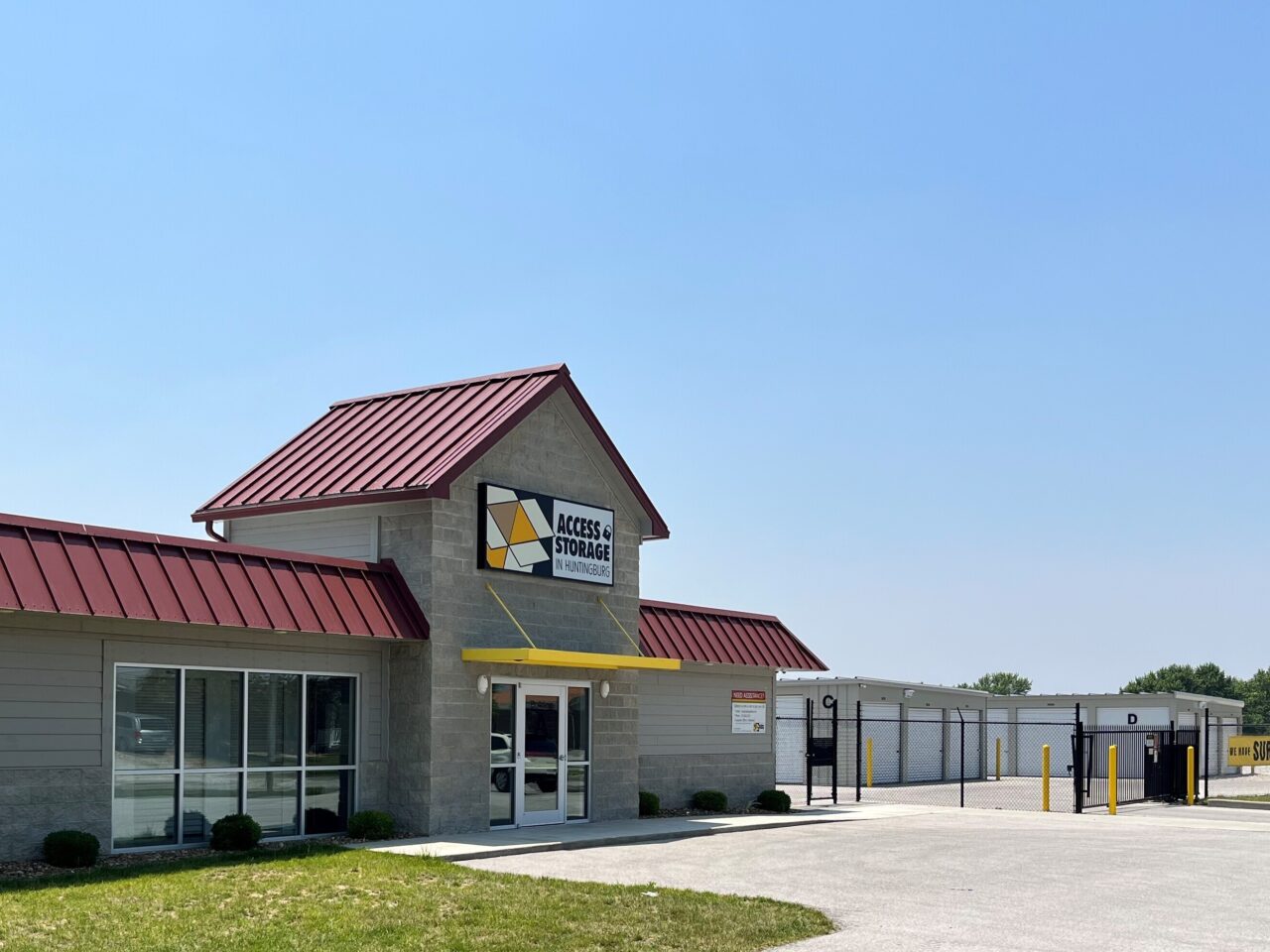
In self-storage, speed matters in a way it doesn’t for every other commercial project.
If you can open earlier, you can:
start lease-up sooner
stabilize revenue sooner
reduce carry costs (interest, taxes, overhead)
move to the next phase sooner
Metal buildings support that goal because major components are engineered and fabricated in a controlled environment, then erected on site. When the project is planned correctly, that can reduce schedule risk, especially compared to builds that rely heavily on slow, sequential field work.
A self-storage project is rarely held back by “one big thing.” It’s held back by dozens of small delays that stack up. The more streamlined your building system is, the easier it is to protect the timeline.
Cost Advantages of Metal Self-Storage Buildings
Most owners care about cost in two ways:
What does it cost to build?
What does it cost to own?
Metal buildings can perform well in both categories, but you have to think in terms of lifecycle, not just first cost.
Where Metal Buildings Can Reduce First-Cost Risk:
Efficient framing for large rectangular footprints
Less material “guessing” once engineering is complete
Easier repetition across multiple buildings in a phase
Where Metal Buildings Can Reduce Ownership Costs:
Durable exterior skin (when specified correctly)
Fewer structural problems over time
Easier repair/replace of certain components versus more complex assemblies
Important note: The lowest bid is not always the lowest cost. In self-storage, a “cheap” build that starts leaking, has door problems, or needs frequent repairs can chew up your margin fast.
Drive-Up Vs. Climate-Controlled Self-Storage
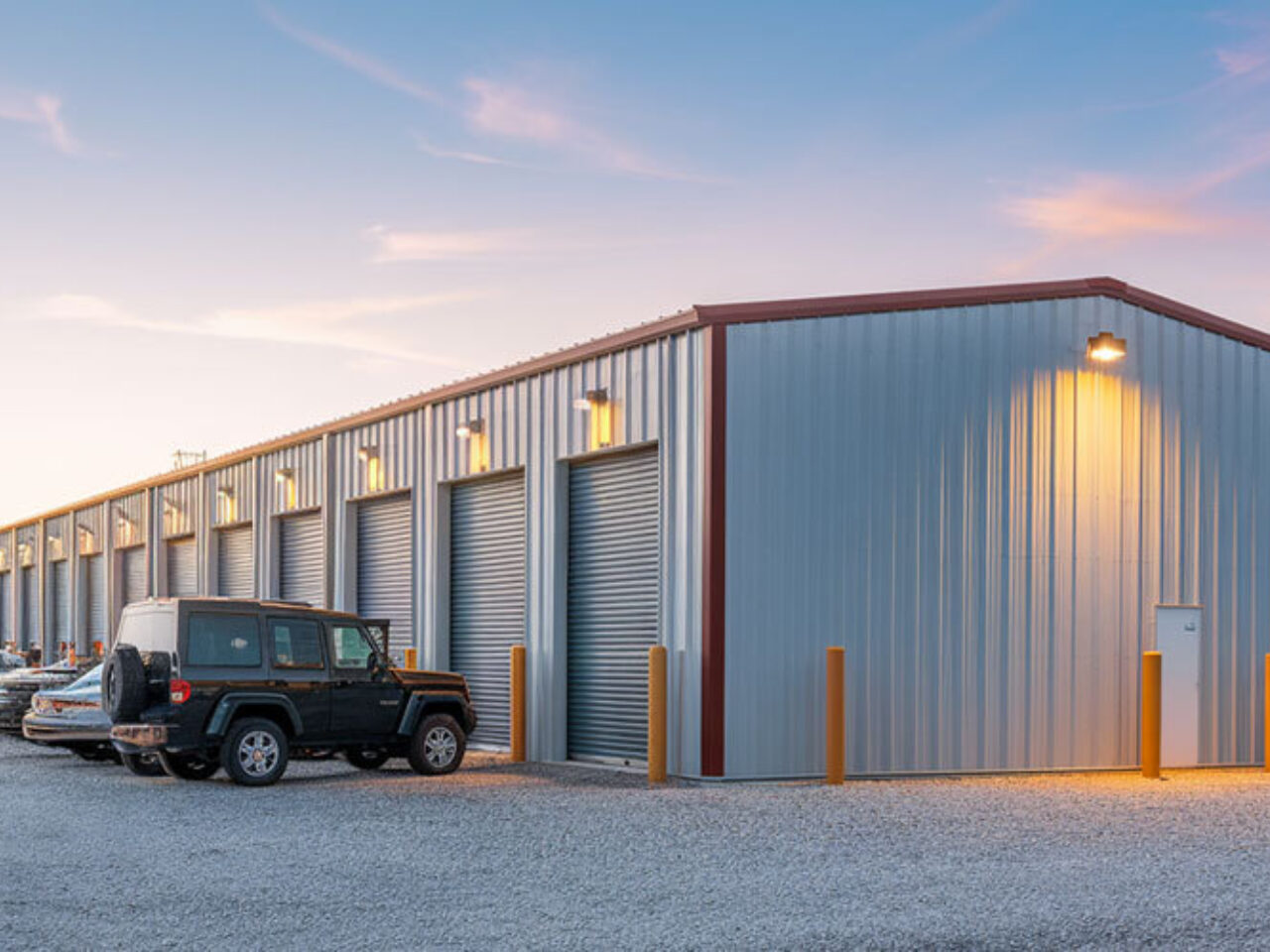
A lot of self-storage planning problems happen when a project treats drive-up and climate-controlled as basically the same thing. They’re not.
Drive-up Self-Storage Buildings
Drive-up is the simplest model to build and operate. The focus is:
easy vehicle access
durable doors and frames
drainage and pavement performance
secure but simple circulation
For drive-up, the building envelope still matters. Even if units aren’t climate-controlled, you still want to reduce moisture issues and prevent obvious weather exposure. A basic drive-up facility can be a great asset, but only if it’s built with durability in mind.
Climate-Controlled Self-Storage Buildings
Climate-controlled facilities change the construction conversation because you’re now building a conditioned environment. That means:
insulation strategy matters
air sealing matters
vapor control matters
HVAC and dehumidification planning matters
interior layouts and corridors become part of the “product”
Climate-controlled projects also introduce more roof penetrations, mechanical spaces, and interior finish coordination. None of that is bad. It just means you want a contractor and design team that has done it before. If you’re planning climate-controlled, the building should be designed like a system, not a collection of parts.
Hidden Costs That Catch Owners Off-Guard
Even a well-designed metal building can miss the budget if the project ignores the “not sexy” parts of self-storage. These are the big ones:
1) Sitework & Drainage
Water management is a top long-term risk on self-storage sites. Poor grading can create standing water, pavement failure, and foundation issues. A flat, clean-looking site plan is not the same as a well-draining one. Drainage needs to be solved early, not patched later.
2) Utilities & Power Planning
Drive-up projects can have modest utility needs. Climate-controlled projects can be a different story. Utility extensions, transformer needs, and electrical service capacity can change costs fast.
3) Access control and security systems
Modern tenants expect:
Gate Access
Cameras
Lighting
Sometimes Smart Locks
Those systems also affect conduit runs, electrical planning, and sometimes building layout. Plan it early so it’s not an expensive afterthought.
4) Doors and Hardware Packages
It’s easy to underestimate how much doors matter in self-storage. If doors bind, fail early, or look rough in two years, tenants notice. The “door package” is part of the product you’re selling.
5) Fire Protection Coordination and Code Requirements
Self-storage can trigger building code and fire protection considerations depending on the building type, occupancy classification, building area, and local requirements. This is one of those areas where you want early coordination so you don’t get late-stage redesigns.
You don’t need to memorize code sections. You do need a team that treats it as a front-end planning item, not a back-end surprise.
Durability & Maintenance: What Fails First (and how to prevent it)
A metal building can be extremely durable, but like any commercial building, certain things tend to fail first if they’re not done right.
Common Maintenance Issues (Especially on Older Facilities)
Roof leaks at penetrations and flashing details
Issues around exposed fasteners (loose fasteners, washer deterioration)
Sealant failures at transitions
Gutter and downspout clogs leading to overflow and staining
None of this is unique to metal buildings. What matters is specifying the right system and installing it correctly, then having a simple inspection plan.
Practical Maintenance Habits That Prevent Headaches
Walk the site after major storms and look for obvious water paths
Inspect roof details on a regular cadence (especially penetrations)
Keep gutters and drainage systems clear
Address small leaks early, before they become tenant problems
Self-storage owners don’t want “high maintenance.” They want predictable maintenance. The best projects are designed for that reality.
Metal Self-Storage Building FAQs
Are most self-storage buildings metal?
A large percentage of self-storage facilities use metal buildings because they’re durable, efficient to build, and well-suited to repetitive layouts. You’ll still see other materials, but metal is a common default for both drive-up and climate-controlled facilities.
How long do metal self-storage buildings last?
A well-designed and well-built metal building can last for decades. Lifespan depends on the building system, exposure conditions, roof type, and maintenance habits, but metal buildings are widely chosen for long-term performance.
What’s the difference between drive-up and climate-controlled construction?
Drive-up facilities focus on vehicle access, durable doors, and weather resistance. Climate-controlled facilities require insulation, air sealing, vapor control, and mechanical planning to keep temperature and humidity stable.
Are metal buildings easy to expand later?
They can be, especially when the site is planned for phased growth. Expansion is much easier when utilities, circulation, drainage, and future building placement are considered in Phase 1.
What type of roof is best for a self-storage facility?
It depends on the facility type, budget, and maintenance expectations. For long-term performance, many owners prefer metal roof systems that minimize leak points and reduce ongoing repair needs. For other projects, membrane systems can be viable with the right detailing and maintenance plan.
Planning a Self-Storage Project in Southern Indiana?
If you’re evaluating a self-storage build and want a second set of eyes on building type, site constraints, or phased planning, it’s worth talking early. A short conversation during planning can prevent expensive redesigns once drawings are underway.
Seufert Construction works across Southern Indiana and surrounding areas on commercial metal buildings, steel erection, design-build projects, and roofing systems. If you’re considering a self-storage facility, we can help you think through the smartest path from concept to open doors.
Reach out today to discuss your self-storage project.