How Commercial Builders Prepare for Tornado & Storm Season in the Midwest
In the Midwest, storm season isn’t a surprise — it’s something every builder plans for. From March through June, states like Indiana, Kentucky, and Illinois face tornadoes, strong winds, and large hail. These storms test every joint, panel, and connection on a commercial building.
For builders, preparation means more than watching the weather. It’s about smart design, reinforcing weak spots, and making sure buildings are ready long before the first siren sounds.
Why Storm Preparedness Matters in the Midwest
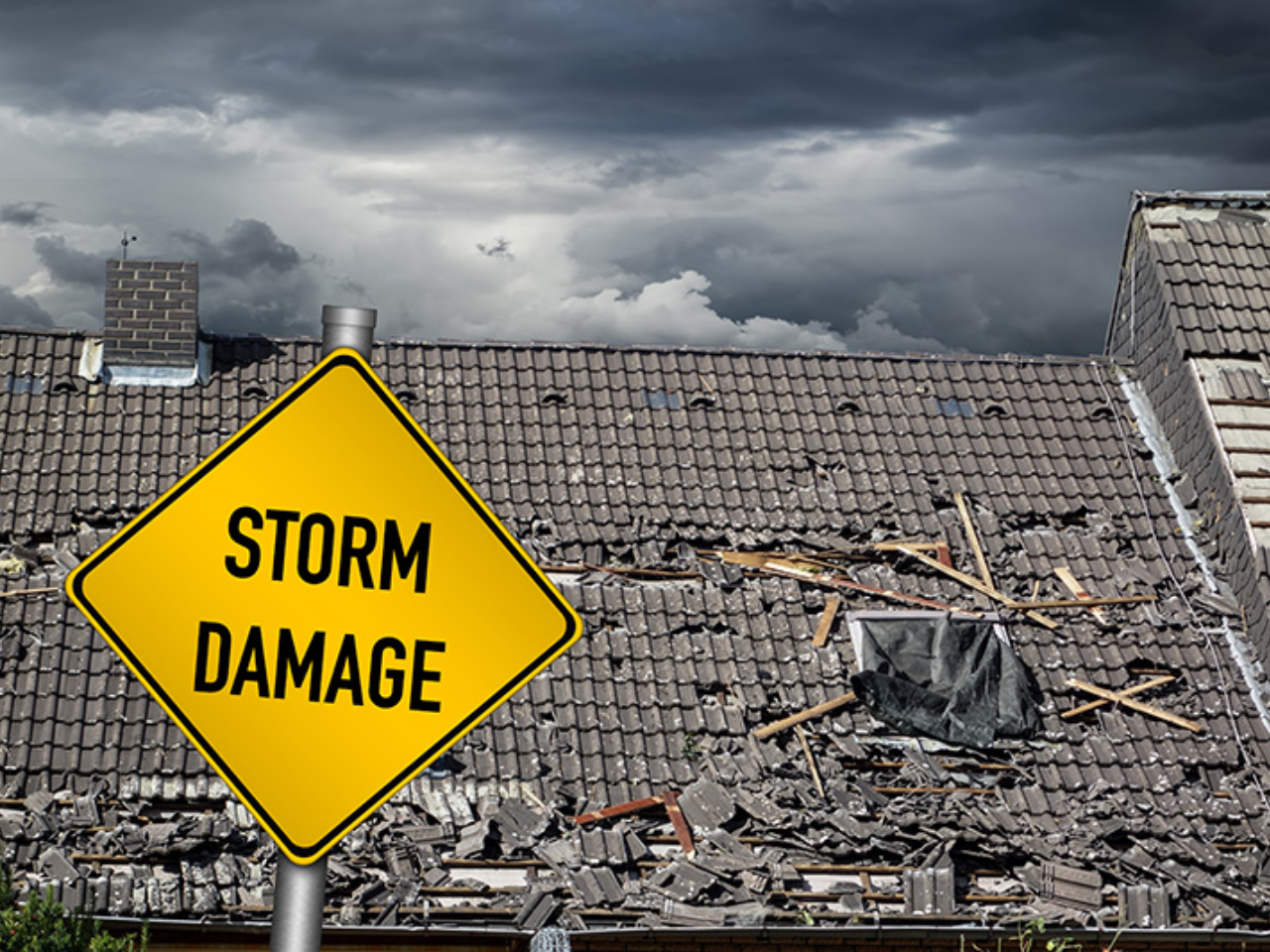
Tornado activity has moved east over the last decade, bringing more severe weather to Southern Indiana and nearby states. Spring storms now bring hail, heavy rain, and high winds that can cause serious damage to commercial properties.
For building owners, that risk often means:
Costly downtime if a facility is damaged
Delays in production or operations
Higher insurance costs without proof of maintenance
That’s why construction teams across the Midwest plan for storm readiness at every stage — from design through upkeep. The goal is simple: protect both people and property when bad weather hits.
Designing Buildings That Can Withstand Tornado Winds
Strong buildings start with strong structure. Engineers use ASCE 7-22 and the International Building Code to calculate wind speeds in each area — usually around 115 to 120 mph across Southern Indiana.
When planning and building, contractors focus on:
Reinforced connections that move wind loads safely into the foundation
Steel framing systems designed for local wind conditions
Continuous load paths that tie the roof, walls, and foundation together
Anchor bolts and bracing that resist uplift during strong gusts
Many industrial and commercial projects use pre-engineered metal building systems, which are tested in factories and customized for regional wind zones. When installed correctly, these systems often perform better than traditional structures under extreme pressure.
Building Envelope: The First Line of Defense
The roof and walls take the biggest hit during Midwest storms. Even a small failure can lead to expensive repairs later.
Experienced contractors pay close attention to:
Roof edges and corners: These areas face the strongest wind uplift and need extra fasteners and stronger edge metal.
Impact-rated roofing: UL 2218 Class 4 and FM-approved roofs hold up better against hail in the Ohio Valley.
Sealing and drainage: Clean gutters, tight flashings, and sealed roof openings keep water out during heavy rain.
Regular roof inspections — especially before spring — help catch loose seams or rusted fasteners before they become leaks.
Learn more about commercial roofing services and metal-over-metal reroofing options designed for long-term durability.
Pre-Season Maintenance: Preparing Commercial Properties for Spring Storms
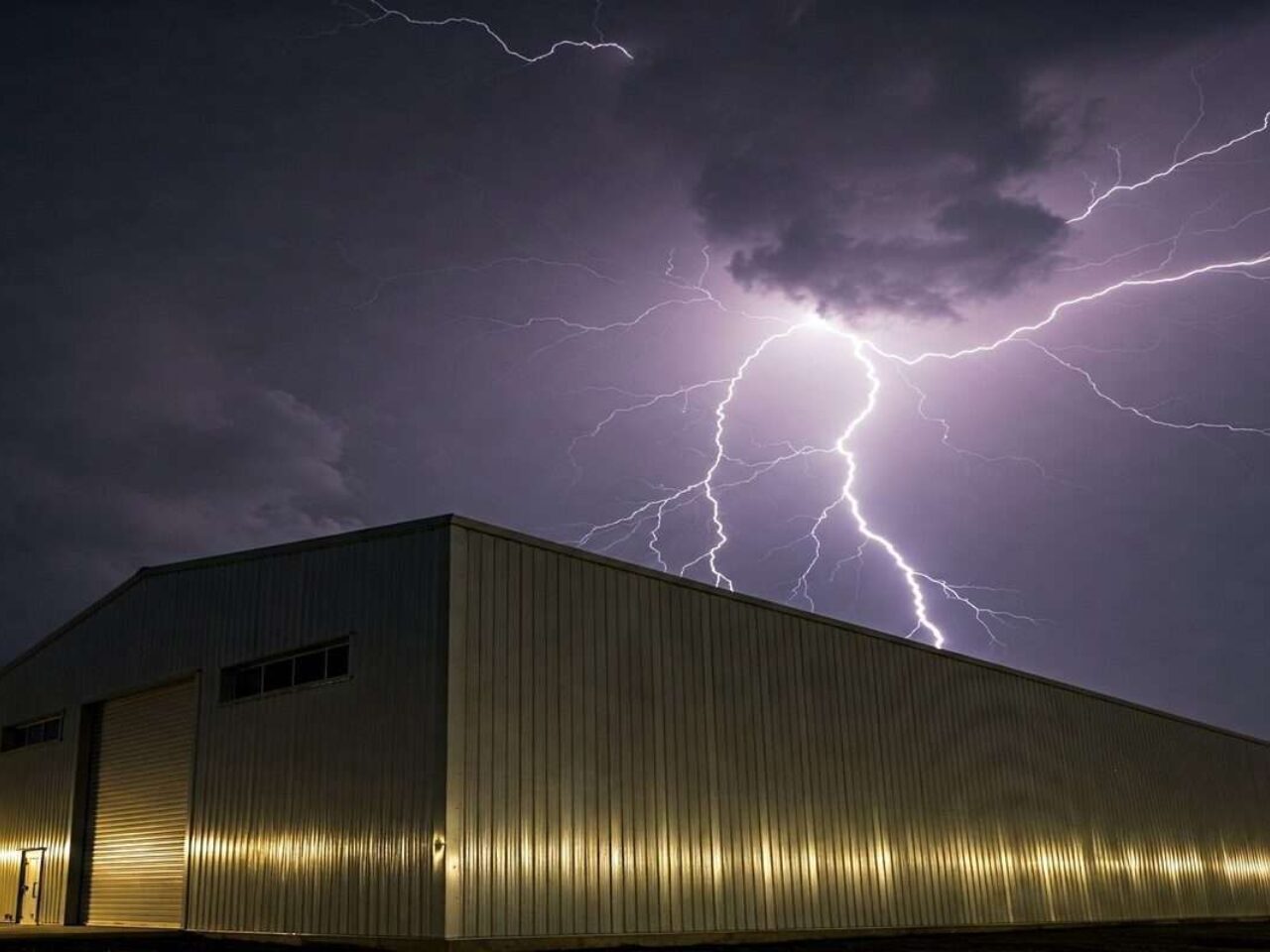
Preventive maintenance is one of the best ways to protect a building. A quick inspection before storm season can uncover small problems before they become major repairs.
A good pre-season checklist includes:
Inspect roof seams, edges, and flashing
Clear debris from drains and scuppers
Secure rooftop HVAC units, vents, and ladders
Test backup power systems and sump pumps
Check masonry joints and concrete foundations for cracks
Many builders suggest doing these inspections between February and April, when weather is mild and crews can fix issues quickly.
Construction Site Safety During Tornado Season
Active construction sites face their own risks when storms move in. The best crews plan ahead to keep people and materials safe.
Weather tracking: Teams watch forecasts and sign up for alerts.
Stop-work wind speeds: Work with cranes or lifts usually pauses when winds reach 30–40 mph.
Securing materials: Crews tie down or remove loose debris, dumpsters, and temporary shelters.
Post-storm inspections: Sites are checked for structural damage or hazards before work restarts.
This approach protects workers and prevents jobsite materials from turning into flying debris.
Learn about steel erection and reinforcing capabilities.
Safe Rooms and Shelter Design
Certain buildings — like schools, hospitals, and factories — need storm shelters or reinforced safe rooms. Standards such as FEMA P-361 and ICC 500 set rules for wind pressure, flying debris, and accessibility.
Builders often design these shelters right into the floor plan using reinforced concrete, masonry, or steel framing. Even when not required, many owners add safe rooms for employee safety and peace of mind.
Tornado & Storm Preparation Checklist for Facility Owners
For building owners in Southern Indiana, this checklist helps reduce damage and speed recovery after a storm:
Check roof seams, edges, and flashings
Clear gutters and roof drains
Secure outdoor and rooftop equipment
Test sump pumps, generators, and lighting
Review emergency contacts and insurance info
Plan a post-storm inspection
A short afternoon spent on these steps can prevent major losses later in the season.
Build for the Long Term — Not Just the Next Storm
True storm resilience comes from preparation, not reaction. Each upgrade — stronger roof edges, better anchors, tighter drainage — adds life to a building.
Across the Midwest, contractors have learned that designing for wind, rain, and hail isn’t optional. It’s part of doing the job right. If your commercial property needs a pre-season inspection, repairs, or a roofing upgrade, work with a builder who understands Midwest weather.
Seufert Construction has built durable facilities across Southern Indiana for more than a century.
Contact our team to plan your building’s storm-readiness before the next season arrives.